Why a Beautiful Dental Result Still Has to Work With the Patient’s Bite

When patients think about cosmetic dentistry, they usually think about color, shape, symmetry, and how their smile will look.
I’m thinking about those things too, but I’m also looking at how the teeth come together.
Every time we chew, speak, or move our jaw, the teeth are taking on force. If I’m changing the shape or length of a tooth with a veneer, crown, or bonding, I need to understand how that change is going to function in the patient’s bite.
That becomes especially important when there’s already a history of chipping, grinding, worn teeth, or broken restorations.
The Teeth Usually Give You Clues
Flattened edges, worn enamel, repeated fractures, and certain wear patterns can tell me that some teeth have been under more stress over time.
There may be several reasons for that. Grinding, clenching, erosion, old dental work, and the way the teeth contact can all play a role.
I want to understand those patterns before I place something new.
If a patient wants longer front teeth, for example, I’m looking at how much space is available, where those teeth contact during movement, and whether the proposed change could create extra stress.
The same goes for a restoration that has broken more than once. Before replacing it, I want to understand what may have contributed to the failure.
Sometimes Tooth Position Changes the Whole Plan
Alignment can have a big influence on how conservative we can be with cosmetic treatment.
If teeth are crowded or positioned unfavorably, placing veneers directly over them may require more preparation or create contours that are harder to make look natural.
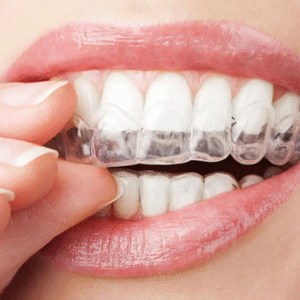
In some cases, moving the teeth first with clear aligners gives us a much better starting point. It can help preserve more natural tooth structure and create more space to design the final result thoughtfully.
Digital scans, photographs, and smile design tools are also helpful because they let us evaluate proportions, spacing, and possible changes before treatment begins.
I still want to see how everything functions clinically. I want to know how the teeth contact, how the jaw moves, and how the proposed changes fit into that patient’s bite.
I’m Always Thinking About Longevity
A cosmetic result has to hold up to years of chewing, talking, grinding, and normal daily use.
That’s why I pay attention to material selection, tooth structure, bite forces, and any habits that may affect longevity.
If a patient grinds or clenches, a night guard may become part of the long-term plan. If there’s extensive wear or a history of failed restorations, the treatment may need to be more comprehensive.
I also check the bite during treatment and after the final restorations are placed. If something feels high, uncomfortable, or different to the patient, I want to know.
For me, a successful smile design should feel comfortable, look natural, and make sense for the way that patient actually uses their teeth every day.
If you’re considering veneers, bonding, clear aligners, or a more comprehensive smile makeover, you can schedule a consultation with me through brush365. We can look at your smile goals, your bite, and the options that make sense for your dental health and long-term needs.