
A Closer Look at the Clear Aligner Consultation

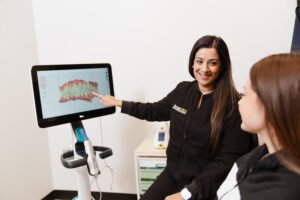
When someone schedules a consultation for clear aligners, I know what they’re usually expecting. They want to know if they qualify, how long treatment might take, and what the investment looks like. Those are fair questions, and we do cover them.
What I’m focused on first is something different. Internally, the question I’m asking is whether moving this person’s teeth is the right thing to do right now. Not whether it’s possible, but whether it’s responsible.
Clear aligners can look simple from the outside. They’re removable, discreet, and widely marketed. Biologically, though, tooth movement is never neutral. It introduces pressure and change into a system that needs to be healthy and stable before we ask it to adapt. That’s the lens I’m using from the very beginning of the consultation.
Establishing a Stable Foundation Before Talking About Movement
Before I’m comfortable talking about aligners, I need context. Imaging, scans, and photos help me understand what’s happening beneath the surface, not just what the teeth look like when someone smiles. I’m paying attention to bone levels, gum health, existing restorations, and any signs of inflammation or decay.
If cavities or periodontal disease are present, aligners don’t quietly coexist with those issues. They can actually accelerate them. I’ve seen cases where treatment started too quickly, and problems that were manageable at baseline became far more complicated once tooth movement began.
That’s why I’m very comfortable recommending treatment before aligners if that’s what the mouth needs. Sometimes that means slowing things down. Sometimes it means waiting longer than a patient hoped. Those conversations aren’t always easy, especially when someone comes in excited to get started, but they’re part of practicing responsibly.
For patients we’ve seen before, the appointment often feels more streamlined, but the mindset doesn’t change. I still want to make sure nothing new has developed that could affect treatment. Even small changes matter when you’re planning movement.
The Conversation That Matters More Than the Timeline
Once I know aligners are appropriate, the consultation shifts. It becomes less about diagnostics and more about alignment in a different sense, alignment of expectations.
We talk honestly about options and about what treatment actually looks like day to day, not just the end result. I explain timelines in realistic terms, including where flexibility may be needed and where consistency really matters. I want patients to understand what the commitment involves before they say yes.
I’m not trying to sell anyone on aligners in that moment. I’m focused on making sure the person sitting in front of me feels informed, comfortable, and clear about what they’re agreeing to. A consultation isn’t a green light. It’s a decision point. Sometimes the right answer is yes. Sometimes it’s not yet. Either way, the goal is the same: protect long-term oral health and create a plan that still makes sense years after the trays are done.
💛
Sara